Solar Panels in Pakistan: Types, Costs and Savings in 2026
Choosing solar panels in Pakistan has never made more financial sense than it does in 2026. Grid tariffs keep climbing, panel prices have fallen to record lows, and rooftops from Karachi to Peshawar are filling with modules that pay for themselves in just a few years. Yet not all panels are equal, and the wrong choice can leave real savings on the table.
This guide explains the panel types worth your money, what they cost today, how much you can save, and the maintenance habits that keep them producing for decades.
Why Solar Panels in Pakistan Are Booming in 2026
The country enjoys some of the highest solar irradiance in the region, with most areas receiving strong sunlight for the majority of the year. That natural advantage, combined with expensive and unreliable grid power, makes rooftop solar an obvious hedge.
Global manufacturing has also driven module prices down dramatically. According to the International Renewable Energy Agency (IRENA), solar photovoltaic costs have fallen by roughly 90 percent over the past decade, and that plunge has reached Pakistani rooftops. The result is payback periods that now beat most traditional investments.
The tariff-inflation advantage
Every unit you generate offsets an increasingly expensive grid unit. Because tariffs trend upward, a system that looks like a five-year payback today often lands closer to four once you account for future price hikes. Your fixed solar cost looks smarter every year the grid gets pricier.
Types of Solar Panels Compared
Three main panel technologies dominate the market, and understanding their trade-offs helps you match performance to budget and available roof space. The table below summarises the key differences in 2026.
| Panel type | Efficiency | Best for | Relative cost |
|---|---|---|---|
| Monocrystalline | 20–23% | Limited roof space, max output | Higher |
| Polycrystalline | 15–18% | Tight budgets, ample space | Lower |
| Bifacial mono | 21–24% | Reflective or elevated mounts | Highest |
For most homes, high-efficiency monocrystalline modules offer the best long-term value because they generate more power per square foot. When you shop for solar panels in Pakistan, compare price per watt rather than the headline sticker so you judge value fairly.
How Much Do Solar Panels Cost and Save?
Costs depend on system size, panel tier, and whether you add storage. The figures below are representative 2026 planning estimates for quality tier-one systems; always request a written, site-specific quote.
- 5 kW system: generates roughly 600–700 units monthly, saving around PKR 28,000–34,000.
- 8 kW system: generates roughly 950–1,100 units, saving around PKR 45,000–55,000.
- 10 kW system: generates roughly 1,200–1,400 units, saving around PKR 58,000–70,000.
Most quality systems pay back in three to five years, after which fifteen-plus years of generation are essentially free. Net metering, regulated by the National Electric Power Regulatory Authority (NEPRA), further sweetens returns by crediting the surplus units you export to the grid.
How Long Do Solar Panels Last?
Quality panels are remarkably durable, typically carrying a 25-year performance warranty and often producing usefully beyond that. They degrade slowly, losing only around half a percent of output per year, so a panel installed today still delivers strong yield in 2050.
The panels themselves rarely fail. Inverters and batteries are the components that need replacement over a system’s life, which is why the quality of your experienced local team and the balance-of-system parts matters as much as the modules on your roof.
What affects panel lifespan most?
Heat, dust, and poor installation are the biggest enemies of longevity. Proper ventilation behind the panels, quality mounting that survives monsoon winds, and clean surfaces all extend productive life. Cheap connectors and flimsy rails, by contrast, shorten it.
Temperature is the quiet performance thief in Pakistan. Panels lose a little output as they heat up, so a good installer leaves an air gap beneath the modules to let them run cooler. That small design detail can add several percent to your annual yield across a scorching summer.
Maintenance Tips to Protect Your Investment
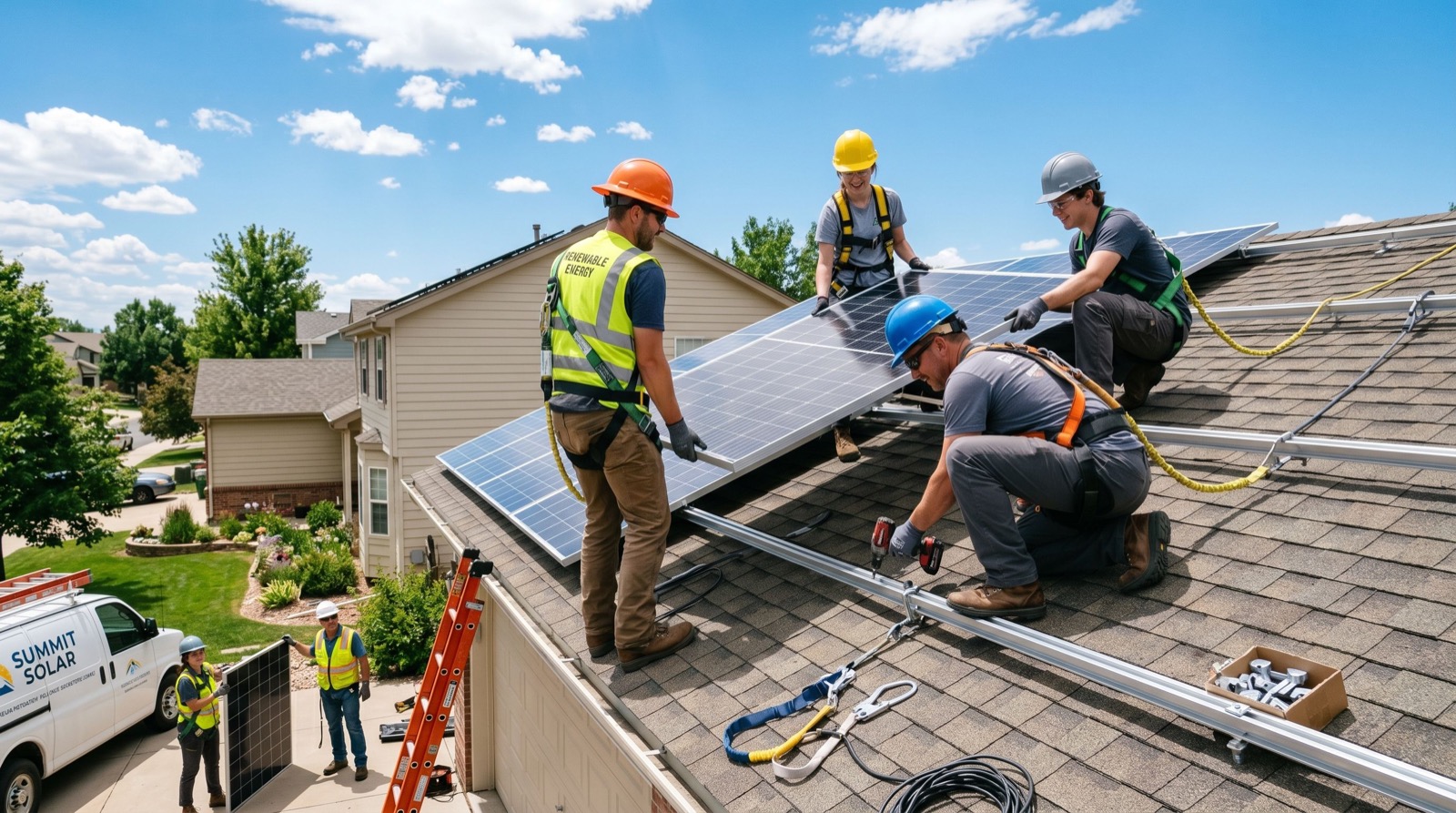
Solar panels are low-maintenance, not no-maintenance. A few simple habits keep generation high across the dusty, hot Pakistani year.
- Rinse dust off the panels every few weeks during dry spells to prevent output loss.
- Inspect mounting bolts and cables after heavy monsoon winds.
- Monitor your inverter app monthly for unexpected drops in generation.
- Trim any nearby branches that begin to cast shade as they grow.
Partnering with a reputable solar company in Pakistan for periodic checkups ensures small issues get caught before they dent your savings. A quick annual service is cheap insurance for a twenty-year asset.
Should you clean panels yourself or hire a pro?
For a single-storey home, a gentle rinse with a soft brush and plain water in the early morning is safe and effective. Avoid harsh detergents and never spray cold water on hot glass, which can stress the module. For multi-storey roofs or hard-to-reach arrays, a professional cleaning service is the safer, and often cheaper, choice once you factor in the risk of a fall.
One practical tip from the field: schedule cleaning around the dry season and just before monsoon, when dust accumulation peaks. A visible drop in your monitoring app is usually the first sign it is time, so let the data, not the calendar, drive your routine.
Frequently Asked Questions
Which solar panels are best for homes in Pakistan?
High-efficiency monocrystalline panels suit most homes because they generate more power per square foot, which matters on limited rooftops. Polycrystalline panels remain a budget-friendly option where roof space is plentiful.
How many panels do I need for an average home?
A typical 5 kW system uses roughly nine to eleven modern panels and needs about 250 to 350 square feet of shade-free roof. A site survey confirms the exact count for your load.
Do solar panels work during load-shedding?
On-grid systems shut off during outages for safety, but hybrid systems with a battery keep essential loads running. If backup matters to you, choose a hybrid setup.
Are solar panels worth it in Pakistan in 2026?
Yes. With record-low panel prices and rising tariffs, most quality systems pay back in three to five years and then deliver free power for over a decade, making the investment case exceptionally strong.
The Bottom Line
Investing in solar panels in Pakistan in 2026 offers a rare combination of falling costs, rising savings, and decades of reliable generation. Choose efficient tier-one modules, secure net metering, and pair the panels with a quality inverter and durable balance-of-system components.
Start with a professional rooftop survey and a written ROI estimate, then compare at least two detailed quotes. Commission before the next tariff hike lands on your bill, and enjoy cleaner, cheaper power for twenty years or more.