
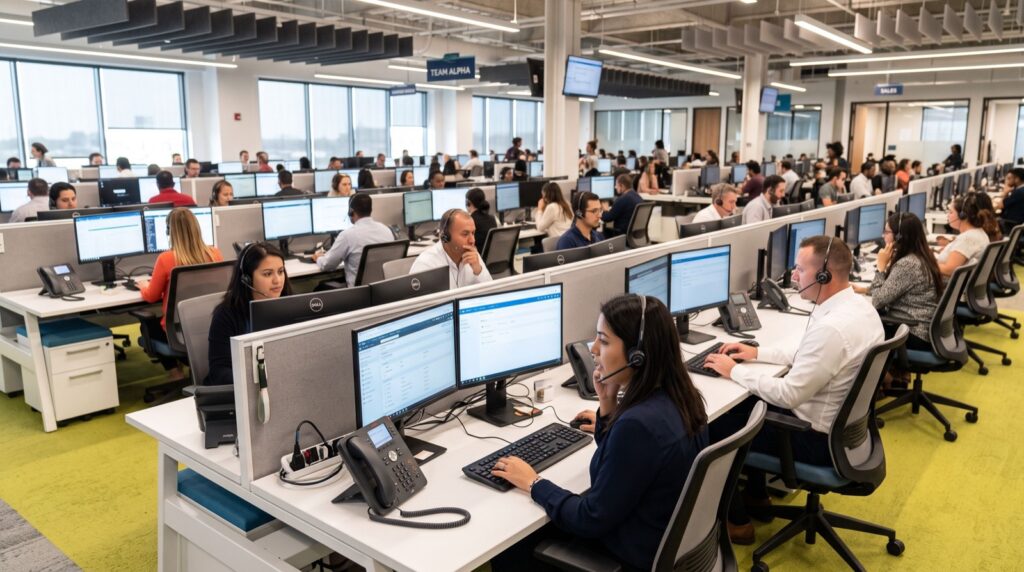
Switching to Fanvil IP Phones in Lahore: The 2026 Upgrade Every Office Needs
Walk into most established offices in Lahore and you will still find analogue phones tethered to ageing copper lines. They work, technically, but they are slow to scale, costly to maintain, and impossible to manage remotely. The businesses pulling ahead in 2026 have already moved to internet telephony, and the demand for fanvil ip phones in Lahore reflects exactly that shift. This article explains why the switch pays for itself and how to make it without disrupting your operations.
We are not going to bury you in acronyms. Instead, we will focus on the outcomes that matter to a business owner: lower bills, fewer dropped calls, and a phone system that grows as fast as you do.
Why Analogue Phone Systems Are Holding Lahore Businesses Back
Traditional PSTN lines were designed for a world before the internet. Every extension needs physical wiring back to a central board. Adding a new employee means a service call, a delay, and a fee. International calls carry premium charges. And when something breaks, you are at the mercy of a carrier’s repair schedule.
Contrast that with a Voice over IP setup. Your phones ride the same network as your computers. Extensions are created in software. Call routing, voicemail, auto-attendants, and call recording become features you toggle on rather than expensive add-ons. For a fast-moving Lahore business, the flexibility alone justifies the change.
How Much Can You Actually Save by Switching?
Cost is usually the deciding factor, so let us be concrete. The savings come from three directions: cheaper call rates through VoIP providers, elimination of per-line rental fees, and reduced maintenance and installation costs. Here is a simplified comparison for a typical fifteen-desk office.
| Cost factor | Traditional analogue | Fanvil VoIP setup |
|---|---|---|
| Adding a new extension | Technician visit + fee | Software config, minutes |
| Monthly line rental | Per-line charge | Single internet connection |
| Long-distance calls | High per-minute rates | Low VoIP rates |
| Multi-branch calling | Charged as external | Free extension-to-extension |
| Feature upgrades | Costly hardware | Included in software |
Most offices recover the cost of new handsets within the first year purely through reduced call charges and the disappearance of per-line rentals. After that, the savings drop straight to the bottom line.
Choosing the Right Fanvil Handsets for Your Team
Fanvil’s lineup is deliberately tiered so you can spend where it counts. Frontline staff get affordable, reliable desk phones. Executives and meeting rooms get premium devices that support HD video. This mix-and-match approach keeps your total spend sensible.
- Reception and support desks benefit from mid-range phones with plenty of programmable keys for one-touch transfers.
- General staff desks are well served by dependable entry-level SIP handsets with HD voice and Power over Ethernet.
- Directors and boardrooms gain from flagship smart video phones that turn ordinary calls into face-to-face meetings.
For the leadership tier, the Fanvil V67 Flagship Smart Video Phone stands out. It runs a smart Android interface, includes a high-definition camera for video calling, and offers a large touchscreen that makes managing multiple lines effortless. Pairing a handful of these with entry-level phones on the wider floor gives you a premium experience exactly where it matters, without premium pricing across the board.
A word on future-proofing
One insight from years of deployments: buy slightly ahead of your current headcount for programmable-key capacity, but do not overspend on video phones for staff who will never use them. Video is genuinely useful for client-facing roles and executives. For a data-entry team, it is money left on the table. Match the tool to the job.
What Does a Smooth Migration Look Like?
The fear of downtime keeps many businesses on old systems longer than they should be. In reality, a well-planned migration is nearly invisible to your customers. Here is the roadmap we recommend.
- Audit your current usage. Count extensions, note peak call volumes, and list the features you actually use.
- Choose a VoIP platform. Decide between a cloud service and an on-premise PBX based on your control and budget preferences.
- Run both systems in parallel. Keep the old lines active while you test the new phones so nothing is lost.
- Port your numbers. Move your existing business numbers to the VoIP provider once testing succeeds.
- Train briefly and cut over. A ten-minute walkthrough is usually enough. Then retire the analogue lines.
When you want the whole process handled for you, working with reputable service experts who deploy VoIP systems regularly removes the guesswork and gets you live in days rather than weeks.
Keeping Your VoIP System Reliable and Secure
A phone system is business-critical, so treat it with the same care as your other infrastructure. Enable Quality of Service on your router so voice traffic always takes priority over downloads and video streaming. Use strong, unique passwords on every SIP extension to prevent toll fraud. And keep firmware current, since updates from the manufacturer patch security holes and improve stability.
Voice quality itself is governed by well-defined standards. The wideband audio that makes VoIP calls sound clear is described in the ITU-T G.722 recommendation published by the International Telecommunication Union, and Fanvil handsets support it natively. That is why a properly configured Fanvil call sounds fuller and more natural than the old copper line it replaced.
Frequently Asked Questions
Can I keep my existing phone numbers when switching to VoIP?
Yes. Number porting lets you transfer your current business numbers to a VoIP provider, so customers dial the same numbers they always have. The process is routine and your provider handles most of the paperwork.
Will VoIP calls drop if my internet goes down?
Any internet-based service depends on connectivity, so a robust connection matters. Many businesses in Lahore add a backup link or configure automatic call forwarding to mobiles, ensuring calls still reach staff even during an outage.
Do I need special training to use a Fanvil IP phone?
No. Fanvil handsets are designed to feel familiar. Making, answering, and transferring calls works much like a traditional phone, and most staff are comfortable within a few minutes of a short walkthrough.
How many phones can one VoIP system support?
Modern SIP platforms scale from a handful of extensions to hundreds. Fanvil offers models across every tier, so a five-person office and a large call centre can both standardise on the same brand and grow without replacing everything.
Make the Switch Before Your Competitors Do
The move to VoIP is no longer a gamble; it is the standard, and the appetite for Fanvil IP phones in Lahore proves the market has already decided. Lower call costs, effortless scaling, HD voice, and features that used to cost a fortune are now within reach of any business willing to make the change. Plan the migration properly, match the handsets to your roles, and secure the system, and you will wonder why you waited. Explore the full Fanvil range today and give your Lahore office the modern phone system it deserves in 2026.